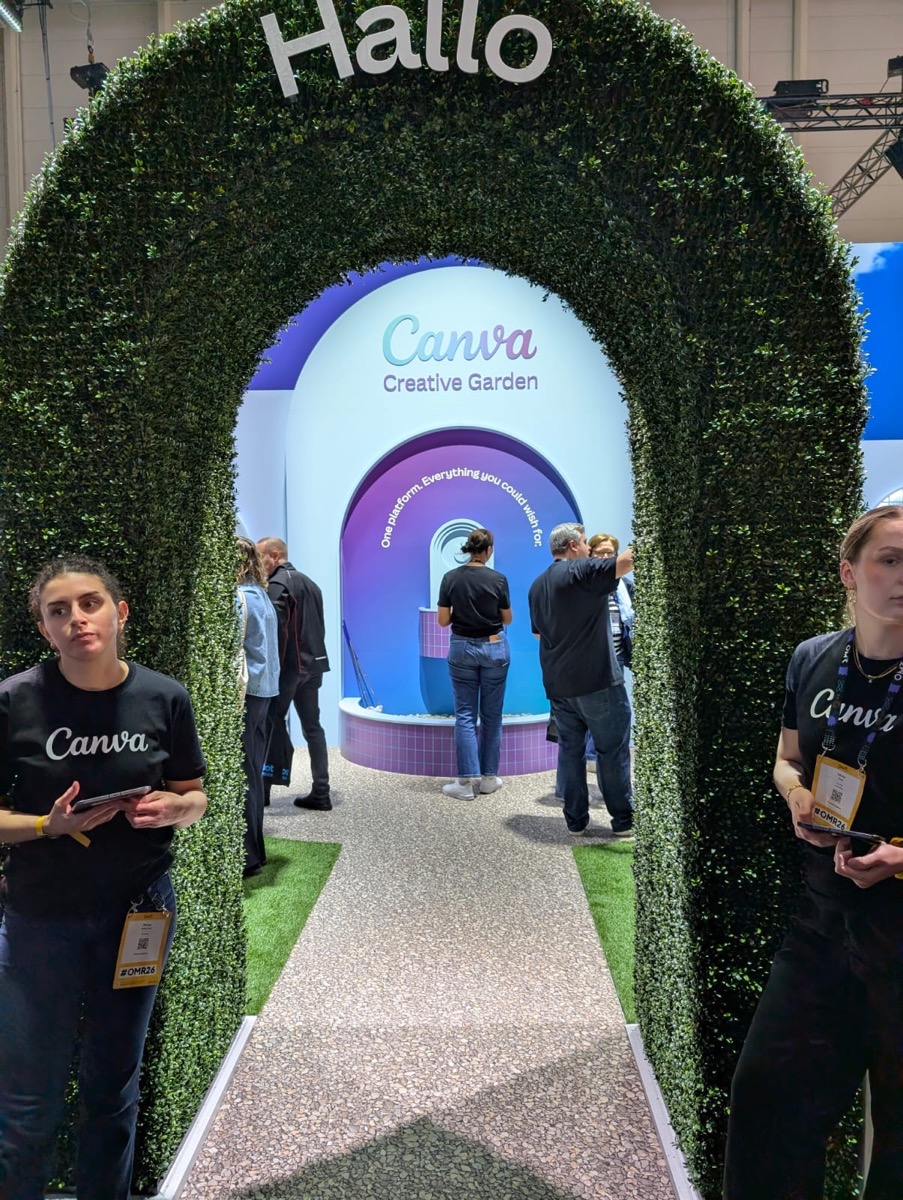

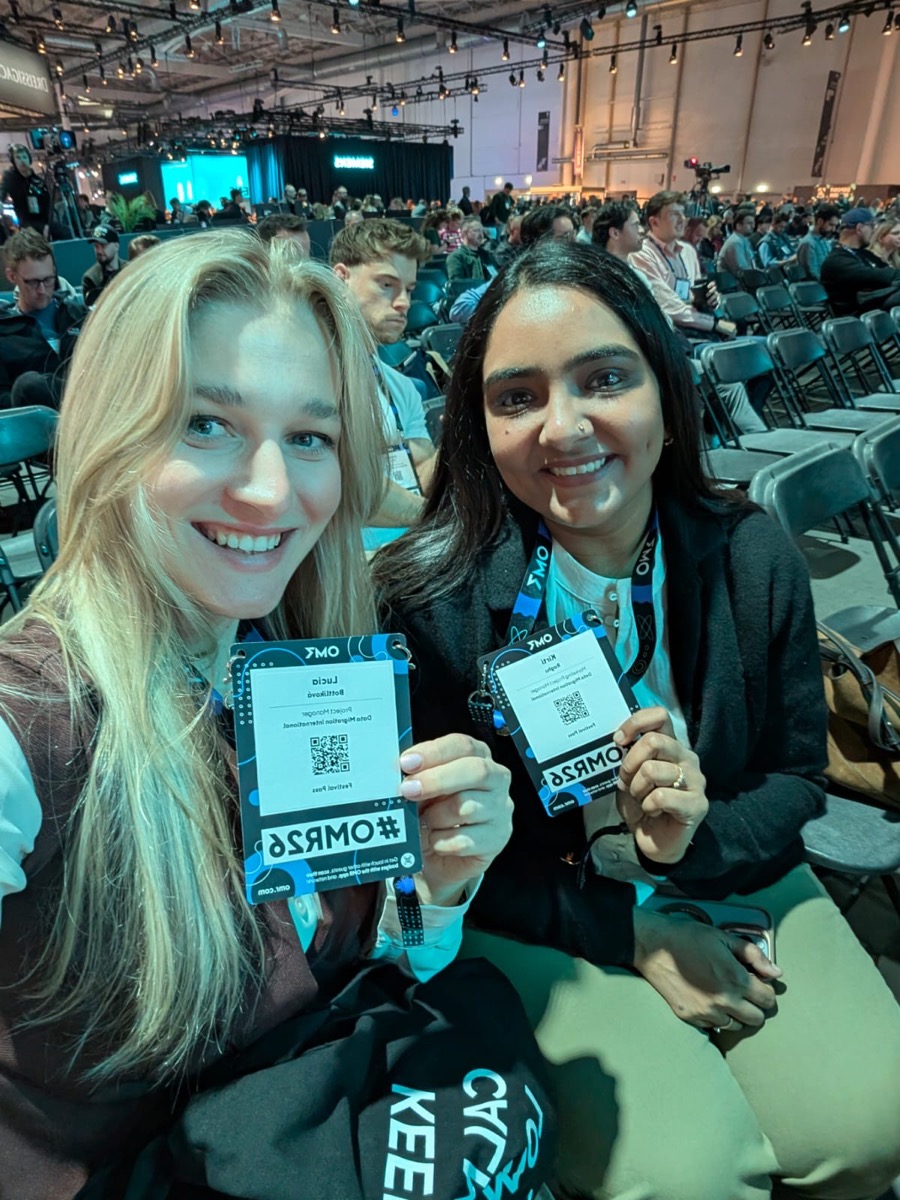
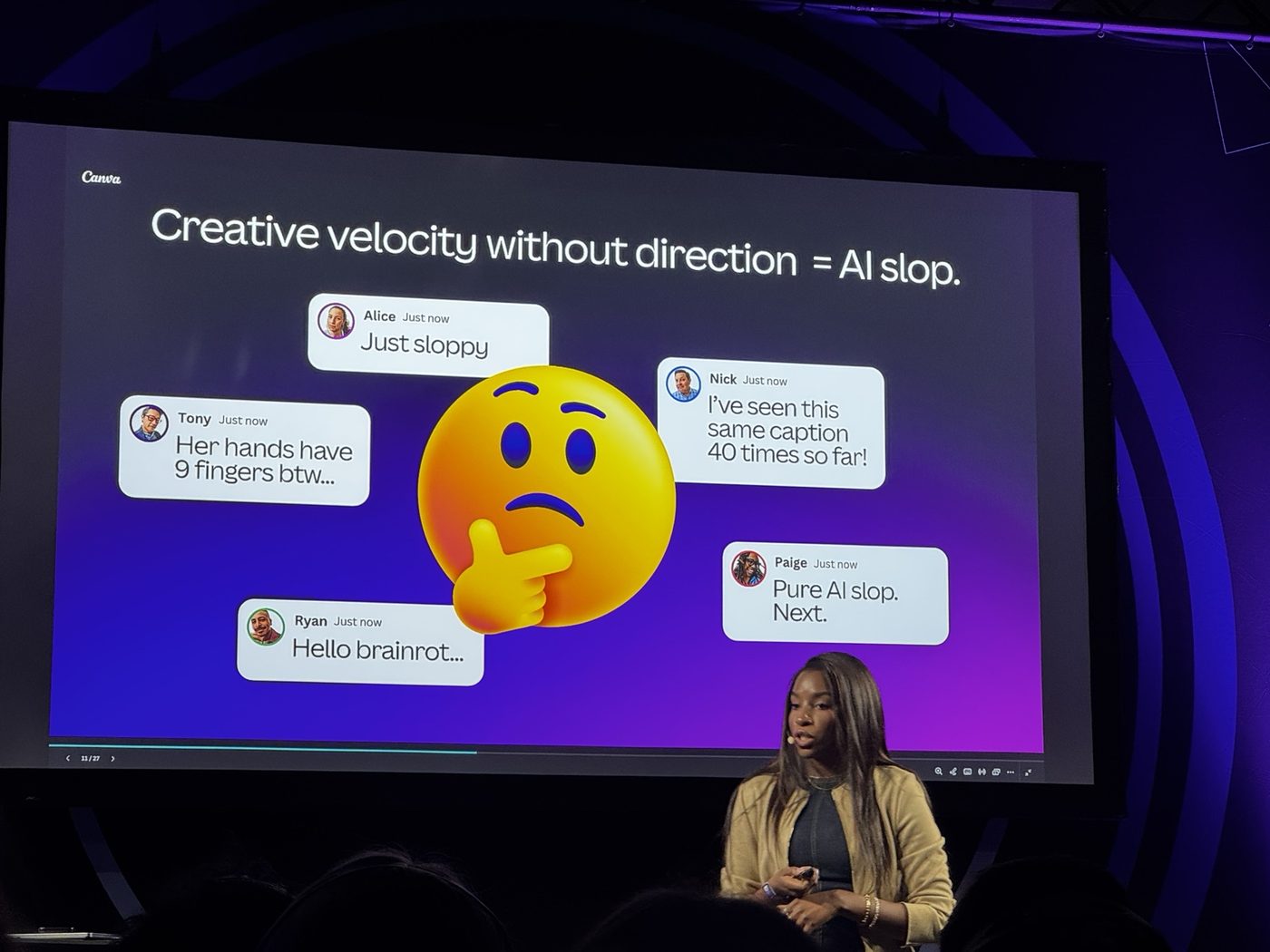
Canva opened with a slide showing screenshots of comments under AI-generated posts. Hollow. Repetitive. Soulless. The room laughed and winced at the same time, because we've all watched feeds get flooded with the same beige content that technically does the job and emotionally does nothing.
Claire Darley's argument was that the cure isn't slower AI use, it's more deliberate AI use. Canva's internal teams have started running a pre-publish gut check that has nothing to do with whether AI was involved: would a real person stop scrolling for this? If not, the speed didn't help.
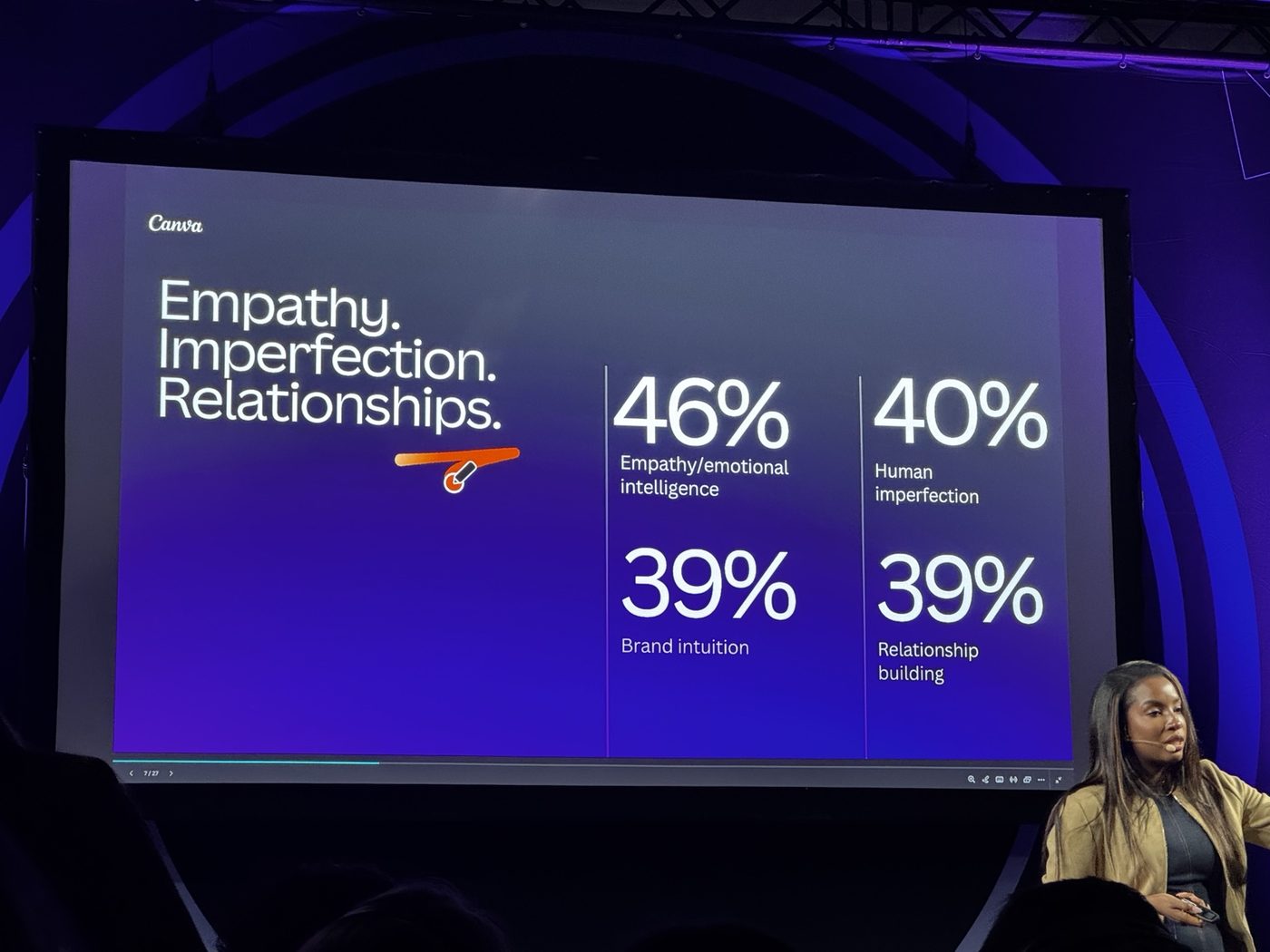
The data they shared is a useful reference point. 46% of marketers said empathy and emotional intelligence are the capabilities AI can't match. 40% pointed to human imperfection, the rough edges that make things feel like a person made them. 39% each for brand intuition and relationship building. None of that lives in a vibe, it's the practical work of editing, choosing what to cut, holding a point of view.
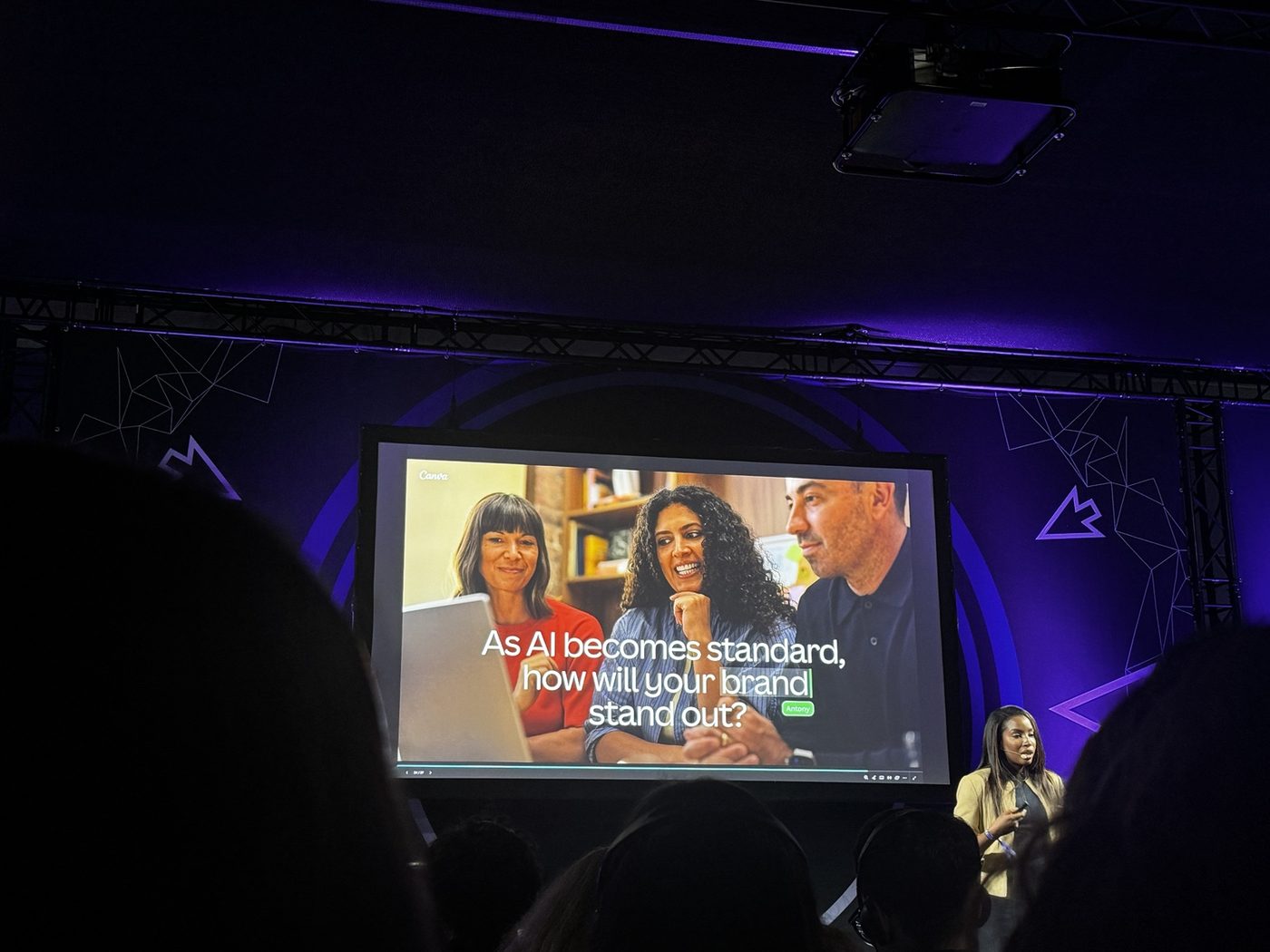
Most of the marketing press has been calling 2026 the year of 'anti-AI marketing,' which is shorthand for the realisation that velocity has been completely democratized. Everyone produces faster, so what becomes scarce is taste, restraint, and cultural read. The Drum, Adweek, and Marketing Dive have all been arguing the same point through Q2: when AI tools become universally accessible, what separates great creative from average is the idea itself.
For us
Look out for: 'AI slop' creeping into our own output when we move too fast on a deadline. Upskill in: editorial judgement and cultural localisation, the layer AI still hasn't caught up to. Team focus: build a small pre-publish review habit, even one extra question, so the work we ship has a person's intent visibly inside it.